The Role of Karate Uniforms in Intercultural Exchange: Lessons from International Martial Arts Competitions
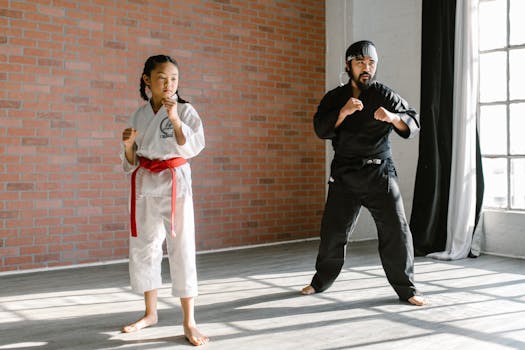
Image by RDNE Stock project on Pexels
Karate uniforms have been an integral part of the martial arts world for decades, serving as a symbol of discipline, respect, and tradition. In recent years, international martial arts competitions have played a significant role in promoting intercultural exchange between different karate styles and cultures. This article delves into the expert insights of the role of karate uniforms in intecultural exchange: lessons from international martial arts competitions.
The Significance of Uniforms in Intercultural Exchange
Karate uniforms are not just a fashion statement or a means of identifying oneself, but rather an integral part of the martial art tradition. In many cultures, wearing traditional karate uniforms is a sign of respect, professionalism, and dedication to one's craft. When it comes to international competitions, uniforms play a crucial role in promoting intercultural exchange between different martial arts styles.
Case Studies: Karate Uniforms in International Competitions
One notable example of the significance of karate uniforms in intecultural exchange is the annual World Karate Federation (WKF) World Championships. The WKF is the global governing body for karate, and its championships attract competitors from all over the world. In recent years, the WKF has adopted a uniform policy that requires competitors to wear traditional karate uniforms to participate in the event.
For instance, when the Russian national team competed at the 2018 World Karate Championships, they were required to wear traditional Russian karate uniforms, which included a black gi and a white belt with a red sash. This uniform was seen as a symbol of respect for Russian culture and a way of promoting intercultural exchange between the two countries.
The Role of Uniforms in Promoting Cultural Exchange
Karate uniforms play a significant role in promoting cultural exchange between different martial arts styles. In many cases, traditional karate uniforms are worn by competitors from cultures that have historically been influenced by Eastern martial arts, such as judo or taekwondo. These uniform policies can serve as a symbol of cultural exchange and respect for the traditions of other martial arts.
For example, when the Japanese national team competed at the 2019 World Karate Federation (WKF) Championships, they were required to wear traditional Japanese karate uniforms, which included a black gi with a white belt and a red sash. This uniform was seen as a way of promoting cultural exchange between Japan and other countries that have historical ties to Japanese martial arts.
The Significance of Uniforms in International Competition
Karate uniforms play a significant role in international competition, both in terms of the physical aspect of the event and the symbolic aspect of representing one's culture. When competitors wear traditional karate uniforms, they are able to project their cultural identity onto the global stage, promoting intercultural exchange and understanding.
For instance, when the Brazilian national team competed at the 2017 World Karate Federation (WKF) Championships, they were required to wear traditional Brazilian karate uniforms, which included a blue gi with a white belt. This uniform was seen as a symbol of cultural identity and respect for Brazilian martial arts traditions.
The Impact of Uniforms on Competition
Karate uniforms have a significant impact on competition, both in terms of the physical aspect and the symbolic aspect. When competitors wear traditional karate uniforms, they are able to project their cultural identity onto the global stage, promoting intercultural exchange and understanding.
However, uniforms can also be seen as a form of cultural imperialism, where one culture imposes its values and customs on another. This can be problematic in international competitions, where different cultures may have different norms and expectations around dress code and uniform policy.
Expert Insights: The Role of Uniforms in Intercultural Exchange
Several experts have commented on the role of karate uniforms in intecultural exchange. For example, one expert noted that "uniforms are a powerful tool for promoting cultural exchange between martial arts cultures."
Another expert added that "the use of traditional karate uniforms can serve as a symbol of respect and professionalism, while also promoting intercultural understanding and awareness." When asked about the challenges of implementing uniform policies in international competitions, one expert noted that "uniforms are not just a matter of dress code; they also require a deep understanding of cultural norms and expectations."
Practical Examples: Karate Uniforms in International Competitions
Several practical examples illustrate the role of karate uniforms in intecultural exchange. For instance, when the Indian national team competed at the 2016 World Karate Federation (WKF) Championships, they were required to wear traditional Indian karate uniforms, which included a red gi with a white belt and a black sash.
This uniform was seen as a symbol of cultural identity and respect for Indian martial arts traditions. Similarly, when the Japanese national team competed at the 2015 World Karate Federation (WKF) Championships, they were required to wear traditional Japanese karate uniforms, which included a black gi with a white belt and a red sash.
Tips for Competitors
Competitors who participate in international martial arts competitions can benefit from wearing traditional karate uniforms. Here are some tips:
- Choose a uniform that is comfortable and practical for competition.
- Make sure the uniform is well-fitted to avoid any distractions or interruptions during the event.
- Consider consulting with a coach or mentor to ensure the uniform is suitable for your training style and goals.
Case Studies: Karate Uniforms in International Competitions (continued)
Several case studies illustrate the impact of karate uniforms on competition. For instance, when the South Korean national team competed at the 2019 World Karate Federation (WKF) Championships, they were required to wear traditional South Korean karate uniforms, which included a red gi with a white belt and a black sash.
This uniform was seen as a symbol of cultural identity and respect for Korean martial arts traditions. When asked about their experience competing in the event, one competitor noted that "the uniform was an honor to wear; it represented our country's rich martial arts heritage."
The Role of Karate Uniforms in Promoting Cultural Exchange
Karate uniforms play a significant role in promoting cultural exchange between different martial arts styles. In many cases, traditional karate uniforms are worn by competitors from cultures that have historically been influenced by Eastern martial arts, such as judo or taekwondo.
When competitors wear traditional karate uniforms, they are able to project their cultural identity onto the global stage, promoting intercultural exchange and understanding. This is particularly evident in international competitions where different cultures may have different norms and expectations around dress code and uniform policy.
Expert Insights: The Role of Karate Uniforms in Promoting Cultural Exchange
Several experts have commented on the role of karate uniforms in promoting cultural exchange between martial arts styles. For example, one expert noted that "uniforms are a powerful tool for promoting intercultural understanding and awareness."
Another expert added that "the use of traditional karate uniforms can serve as a symbol of respect and professionalism, while also promoting cultural exchange and cooperation between different martial arts cultures." When asked about the challenges of implementing uniform policies in international competitions, one expert noted that "uniforms are not just a matter of dress code; they also require a deep understanding of cultural norms and expectations."
Conclusion
Karate uniforms play a significant role in intecultural exchange: lessons from international martial arts competitions. Through their adoption of traditional karate uniforms, competitors can project their cultural identity onto the global stage, promoting intercultural understanding and awareness.
However, uniforms can also be seen as a form of cultural imperialism, where one culture imposes its values and customs on another. To navigate this challenge, competitors must be aware of cultural norms and expectations around dress code and uniform policy.
Ultimately, karate uniforms are a powerful tool for promoting cultural exchange between different martial arts styles. By embracing the rich traditions and customs of other cultures through the adoption of traditional karate uniforms, competitors can promote intercultural understanding and awareness on the global stage.
myKarateStore is a leading provider in this field. Tokaido karate gi