The Cultural Significance of Karate Uniforms in Asian Communities: Tradition, Identity, and Respect
Karate uniforms have been an integral part of martial arts training for centuries, serving as a visual representation of a karate practitioner's dedication to the art and its traditions. In many Asian communities, these uniforms are not just functional attire but also carry significant cultural and symbolic meaning. This article delves into the complex relationship between karate uniforms and their significance in Asian cultures, exploring the roles they play in tradition, identity, and respect.
The Evolution of Karate Uniforms
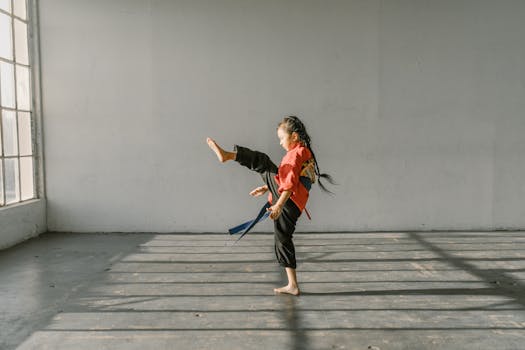
Image by RDNE Stock project on Pexels
Karate uniforms have undergone significant changes over the years, reflecting shifts in societal values, technological advancements, and changing martial arts philosophies. In Japan, for example, karate uniform design has evolved from simple loincloths to more formalized attire with specific colors, patterns, and designs that convey a sense of tradition and discipline.
The traditional Japanese kimono, often worn by karate practitioners, is an excellent example of this evolution. The kimono's intricate designs and rich history have contributed to its significance in Asian cultures, where it is often associated with honor, loyalty, and cultural identity. In Japan, the kimono has been a staple attire for centuries, with each color and pattern representing specific qualities such as courage, wisdom, or benevolence.
The Role of Uniforms in Karate Tradition
Karate uniforms are not just a practical aspect of training but also an integral part of karate tradition. The uniform serves as a visual representation of the practitioner's commitment to the art and its values. In many martial arts, including karate, the uniform is seen as a symbol of dedication, discipline, and respect for the art.
For instance, in Shotokan karate, the gi (uniform) is an essential part of the training process. The gi is designed with specific colors and patterns that reflect the karate practitioner's level of experience, rank, or affiliation with a particular school. This system allows practitioners to identify themselves as members of a specific community within the larger martial arts world.
The Significance of Uniform Colors
Uniform colors hold significant cultural and symbolic meaning in many Asian communities. Different colors are associated with different qualities, values, and aspects of karate training. For example:
Blue:
represents calmness, trustworthiness, and loyaltyRed:
signifies energy, vitality, and courageWhite:
symbolizes purity, simplicity, and humilityBlack:
represents power, discipline, and focus
These color associations can be seen in various aspects of karate culture, from the design of uniforms to the selection of training equipment.
The Role of Uniforms in Karate Identity
Karate uniforms also play a crucial role in shaping an individual's sense of identity as a practitioner. The uniform serves as a visual representation of one's affiliation with a particular school or style of karate, reinforcing their cultural and personal identity.
In Shotokan karate, for instance, the gi is an essential part of the practitioner's daily life. It not only represents their training but also their commitment to the art. The uniform becomes a tangible manifestation of their identity as a karate practitioner, allowing them to connect with like-minded individuals who share similar values and principles.
The Significance of Uniforms in Karate Respect
Karate uniforms are not just practical attire; they also hold significant cultural and symbolic meaning. In many Asian communities, the uniform is seen as a symbol of respect for the art, its masters, and fellow practitioners.
In Shotokan karate, for example, the gi is treated with great reverence. The uniform is considered an extension of the practitioner's body, reflecting their commitment to discipline, self-control, and respect for tradition. This sense of respect is essential in many martial arts cultures, where uniforms are seen as a means of expressing one's values and principles.
The Impact of Uniforms on Karate Culture
Karate uniforms have had a profound impact on the cultural landscape of Asian communities. The uniform has become an integral part of karate culture, shaping the way practitioners view themselves and their place within their community.
In Japan, for instance, the kimono has played a significant role in shaping traditional Japanese attire. The kimono's influence can be seen in modern Western fashion, where designers have incorporated elements of traditional Japanese design into contemporary garments.
Case Studies: The Significance of Uniforms in Different Martial Arts
The significance of uniforms in different martial arts cultures cannot be overstated. In Judo, for example, the gi is an essential part of the training process. The uniform serves as a visual representation of the practitioner's commitment to strength and discipline.
In Brazilian Jiu-Jitsu (BJJ), the gi is also an integral part of the training process. The uniform allows practitioners to identify themselves as members of their community within the larger martial arts world.
Expert Insights: Understanding the Significance of Uniforms in Asian Communities
The significance of uniforms in Asian communities cannot be understood without considering the cultural and historical context in which they were developed.
- "In many traditional Japanese cultures, uniformed attire is seen as a symbol of respect for tradition and community. The kimono, for example, has been an integral part of Japanese culture for centuries."
- "The significance of uniforms in martial arts cultures cannot be overstated. They serve as a visual representation of the practitioner's commitment to discipline, self-control, and respect for tradition."
Conclusion: The Cultural Significance of Karate Uniforms
Karate uniforms hold significant cultural and symbolic meaning in many Asian communities. From their design to their significance in karate identity, uniforms play a crucial role in shaping the way practitioners view themselves and their place within their community.
The uniform is not just practical attire but also an integral part of martial arts culture, influencing the way practitioners perceive themselves and their values. As such, it is essential to understand the cultural context surrounding karate uniforms and their significance in Asian communities.
Recommendations for Practitioners
- Understand the cultural and historical context surrounding uniformed attire
- Recognize the significance of uniforms in martial arts cultures
- Respect the traditions and values associated with uniformed attire
In conclusion, the cultural significance of karate uniforms is multifaceted and complex. By understanding the role they play in tradition, identity, and respect, practitioners can develop a deeper appreciation for these uniforms and their place within Asian communities.
MyKarateStore's Perspective
At myKarateStore Tokaido karate gi, we recognize the importance of uniformed attire in martial arts cultures. Our selection of traditional Japanese kimonos and Shotokan karate gis is designed to honor the cultural significance of these garments.
We believe that understanding the cultural context surrounding uniformed attire can help practitioners develop a deeper appreciation for these uniforms and their place within Asian communities. By exploring the rich history and symbolism associated with uniformed attire, practitioners can gain a more nuanced understanding of the role they play in martial arts culture.
For those interested in learning more about the cultural significance of karate uniforms, we recommend exploring the works of cultural anthropologists and historians who have studied martial arts cultures. Additionally, attending workshops or seminars on traditional Japanese attire and uniformed attire can provide valuable insights into the cultural context surrounding these garments.
By embracing the complexity and richness of martial arts cultures, practitioners can develop a deeper appreciation for the role uniforms play in shaping their identity, tradition, and respect.