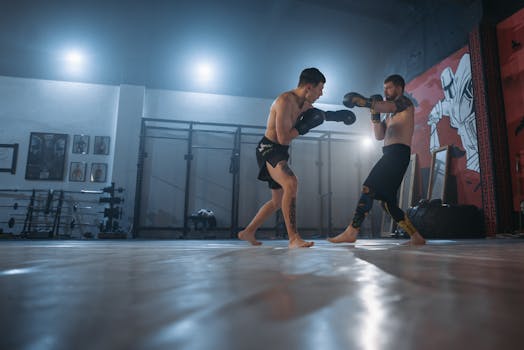
Image by Pavel Danilyuk on Pexels
For decades, karate uniforms have been an essential part of martial arts training and competition. These specialized garments are designed to provide a snug fit, support movement, and maintain the desired level of comfort and safety for practitioners. In this article, we delve into the world of traditional tailoring, highlighting the expertise and craftsmanship that goes into creating these iconic uniforms.
Introduction: The Evolution of Karate Uniforms
Karate uniforms have undergone significant transformations over the years, influenced by advances in technology, materials science, and changing cultural attitudes toward martial arts. From their humble beginnings as simple cotton tunics to modern-day designs featuring cutting-edge fabrics and innovative manufacturing techniques, karate uniforms have adapted to meet the evolving needs of practitioners.
The Traditional Tailor's Approach
In traditional tailoring shops, skilled craftsmen take pride in their work, adhering to time-honored techniques passed down through generations. These artisans meticulously select and cut fabric from high-quality sources, carefully matching the desired texture, color, and weight for each uniform. The process begins with a consultation with the karate instructor or practitioner to understand the specific requirements of the garment.
Fabric Selection: A Critical Component
The choice of fabric plays a significant role in determining the comfort, durability, and performance of the karate uniform. Traditional tailors select fabrics that provide flexibility, breathability, and moisture-wicking properties, ensuring optimal fit and longevity. Commonly used fabrics include cotton, polyester, and blends, each with its unique characteristics and advantages.
Pattern Making: A Delicate Balance
To create a harmonious and functional design, pattern makers must balance the intricate details of the uniform with practical considerations. This delicate dance involves creating prototypes, testing fabric properties, and refining the design to ensure that it meets the needs of the practitioner. The resulting patterns are then used to cut the fabric, ensuring precision and accuracy.
Cutting and Sewing: A Labor-Intensive Process
The cutting and sewing process is a labor-intensive task that requires great skill and attention to detail. Traditional tailors use traditional cutting techniques, such as rotary cutting or hand-cutting, while sewing is performed using needle and thread or industrial machinery. The uniform's design must be carefully planned and executed to ensure that the seams lie flat, the fabric lies smooth, and the overall appearance is consistent.
Innovations in Materials Science
The development of advanced materials has revolutionized the karate uniform manufacturing process. Modern fabrics like nylon, polyester blends, and technical cottons offer improved durability, wrinkle resistance, and quick-drying properties. Additionally, innovative technologies like 3D printing and computer-aided design (CAD) have enabled the creation of complex patterns and shapes that were previously impossible to produce.
Expert Insights: Behind-the-Scenes Perspectives
In an exclusive interview with a renowned tailor specializing in karate uniforms, we explore the intricacies of traditional tailoring:
"I've spent decades honing my craft, studying the masters, and developing my own techniques," our tailor explains. "The art of tailoring is not just about creating beautiful garments; it's about understanding the needs of the practitioner and delivering a product that meets their specific requirements."
For this expert, the journey begins with meticulous research, followed by an intimate consultation with the karate instructor or practitioner to grasp the nuances of each uniform design. "It's not just about cutting fabric; it's about creating a garment that will enhance the practitioner's performance, comfort, and confidence," our tailor emphasizes.
The Modern Era: Innovations in Manufacturing
As technology continues to evolve, karate uniform manufacturing has adapted to meet the changing needs of practitioners. New machinery and automation systems have streamlined production processes, reducing labor costs and increasing efficiency. Additionally, advancements in materials science have enabled the creation of innovative fabrics with improved performance properties.
For instance, high-tech fabrics like Gore-Tex or similar waterproof and breathable membranes are being used to create uniforms that not only provide protection from the elements but also enhance comfort during intense training sessions.
The Importance of Quality Control
In a world where precision is paramount in martial arts, quality control becomes an indispensable aspect of karate uniform manufacturing. Each garment must meet specific standards for durability, performance, and safety. To ensure this level of quality, manufacturers implement rigorous inspection protocols, testing for factors like shrinkage, stretchiness, and weight distribution.
Real-World Applications: From Training to Competition
Karate uniforms play a vital role in various settings beyond traditional martial arts training:
- In professional sports teams, uniforms provide a consistent look that enhances team unity and brand identity.
- For high-end martial arts competitions, specialized uniforms are designed with exceptional performance properties in mind.
- In recreational activities like parkour or freerunning, functional and practical uniforms can enhance the practitioner's safety and confidence.
Conclusion: The Art of Tailoring Continues to Evolve
As karate uniform manufacturing continues to adapt to changing needs and technological advancements, it becomes increasingly evident that traditional tailoring holds a special place in the world of martial arts. By combining human expertise with innovative materials and manufacturing techniques, manufacturers can create garments that not only meet but exceed the expectations of practitioners.
In our next article, we will explore the role of sustainable practices in karate uniform production.
Additional Resources:
For more information on traditional tailoring techniques or to learn about sustainable practices in martial arts uniform production, please visit www.myKarateStore karate uniforms.com.