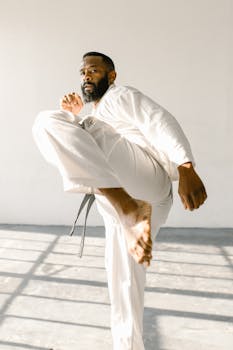
Image by RDNE Stock project on Pexels
Karate uniform embroidery is a centuries-old tradition that has become an integral part of karate culture. This intricate process involves creating distinctive embroidered designs on clothing to signify status, rank, and affiliation with specific schools or styles. In this article, we will delve into the history, craftsmanship, emotional resonance, and expert insights behind this traditional practice.
A Brief History of Karate Uniform Embroidery
Karate uniform embroidery has its roots in Japan's martial arts history, dating back to the 16th century when samurai warriors wore distinctive uniforms with embroidered designs. These early uniforms served as a symbol of rank, status, and affiliation with specific schools or styles. As karate spread throughout Asia and beyond, the tradition of embroidered clothing continued to evolve.
In the 19th century, Japanese artists began creating intricate embroidery designs on fabrics, which were then used to create traditional uniforms for martial arts practitioners. This art form gained popularity in the early 20th century, particularly among karate schools in Japan and Korea. Today, karate uniform embroidery is a beloved tradition around the world, with many schools and practitioners continuing to adopt this rich cultural heritage.
The Art of Karate Uniform Embroidery: A Delicate Craft
Karate uniform embroidery is a highly specialized craft that requires great skill and attention to detail. Designers must carefully choose fabrics, threads, and embroidery patterns to create intricate designs that reflect the wearer's status, rank, or affiliation. The process involves several stages:
Design
: Designers create original embroidery designs using traditional techniques such as hand-painting, appliqué, or reverse printing.Fabric selection
: Skilled embroiderers select high-quality fabrics with the right texture and weave to ensure durability and longevity.Thread selection
: Thoroughly choose threads that match the fabric's color palette and pattern to create a seamless blend.
Once these elements are in place, the embroidery process begins:
Thread preparation
: The designer prepares the thread by threading it onto the needle or using specialized equipment.Embroidery
: The embroiderer stitches intricate designs on the fabric using various techniques such as running stitch, backstitch, or French knots.Finishing touches
: The embroidered design is carefully inspected and any necessary adjustments are made to ensure perfection.
The Emotional Resonance Behind Karate Uniform Embroidery
Karate uniform embroidery is more than just a technical craft; it holds deep emotional significance for practitioners. Each embroidered design carries a symbolic meaning that reflects the wearer's values, principles, and goals:
Rank and status
: The rank and status of a practitioner are often reflected in their embroidered designs, which can indicate their position within a school or organization.Affiliation and affiliation with schools
: The embroidery patterns may also be influenced by the specific karate style or school that the wearer is affiliated with.Personal identity
: A unique embroidery design can serve as a personal identifier, signifying the individual's personality, values, and goals.
The emotional resonance behind karate uniform embroidery lies in its ability to convey deep messages about one's character, values, and aspirations. As practitioners wear their embroidered uniforms, they are able to communicate these messages to others, reinforcing bonds of brotherhood or sisterhood within the martial arts community.
Expert Insights: The Craftsmanship of Karate Uniform Embroidery
Karate uniform embroidery is a technically demanding craft that requires great skill and attention to detail. Expert embroiderers possess:
Extensive experience
: Many skilled embroiderers have spent years honing their craft, developing expertise in traditional techniques such as hand-painting or reverse printing.High-quality materials
: Professional embroiderers use only the finest fabrics and threads, ensuring that the final product is durable, long-lasting, and visually stunning.Attention to detail
: The craftsmanship of karate uniform embroidery requires an exceptional attention to detail, with every stitch carefully considered to ensure precision and accuracy.
Some notable experts in this field include:
Martial Arts Legends
: Legendary martial artists like Miyagi-do Sensei Dan Inosanto and Bruce Lee have contributed significantly to the development of traditional karate uniform embroidery.Experienced Embroiderers
: Renowned embroiderers like Yumeji Shinkawa, a renowned Japanese artist, have dedicated their careers to mastering this craft.
Practical Examples: Using Karate Uniform Embroidery in Modern Times
While traditional karate uniform embroidery is still practiced today, many modern practitioners have adopted the art form for its unique blend of functionality and aesthetics. Here are some practical examples:
Customized uniforms
: Many martial arts schools and organizations use embroidered uniforms as a symbol of affiliation or rank, creating customized garments that reflect their values and goals.Competitions and tournaments
: Embroidered uniforms can be used to create visually stunning uniforms for competitions and tournaments, showcasing a practitioner's skills and dedication to the art.Artistic expressions
: Karate uniform embroidery has also inspired various artistic interpretations, such as textile art, fashion accessories, or even tattoo designs.
Tips and Case Studies: Navigating the Art of Karate Uniform Embroidery
To navigate the world of karate uniform embroidery, here are some tips:
Choose high-quality materials
: Invest in good quality fabrics and threads to ensure durability and longevity.Develop your skills
: Practice traditional techniques like hand-painting or reverse printing to improve your craft.Collaborate with experts
: Seek guidance from experienced embroiderers, martial artists, or designers to refine your skills.
Some notable case studies include:
The Story of the Samurai Uniform Embroidery
: Learn about the evolution of samurai uniforms in Japan and how they were embroidered using traditional techniques.The Art of Karate Uniform Embroidery in Modern Times
: Explore how modern martial arts schools and organizations are incorporating embroidery into their uniform designs.
Conclusion: The Enduring Legacy of Karate Uniform Embroidery
Karate uniform embroidery is a timeless art form that has captured the hearts of practitioners around the world. Its rich history, delicate craftsmanship, and emotional resonance make it an enduring legacy of this traditional practice. As we continue to navigate the complexities of modern society, karate uniform embroidery remains a powerful symbol of community, identity, and values.
Whether you're a seasoned practitioner or just starting your journey in this beautiful art form, we hope this article has inspired you to explore the world of karate uniform embroidery and its rich history. At myKarateStore karate uniforms, we are proud to offer high-quality embroidered uniforms for martial artists worldwide.