Karate Uniforms as a Symbol of Cultural Heritage: Traditional vs. Modern Approaches
Karate uniforms have been an integral part of the martial art for centuries, serving not only as a means of physical expression but also as a symbol of cultural heritage and tradition. The design and construction of karate uniforms are deeply rooted in the history and philosophy of the sport, reflecting the values and principles that underlie its practice. In this article, we will delve into the world of traditional and modern approaches to karate uniforms, exploring their unique characteristics, historical significance, and expert insights.
Traditional Approaches: A Reflection of Cultural Heritage
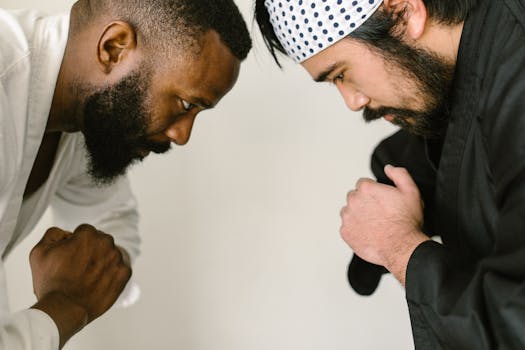
Image by RDNE Stock project on Pexels
Karate uniforms originated in Japan in the late 19th century, during the Meiji period, as a symbol of martial arts training and competition. The early uniforms were simple, functional, and closely tied to the traditional Japanese samurai armor. These early designs featured a predominantly white or light-colored kimono-style jacket with a matching pants, often adorned with intricate embroidery and symbolic motifs.
The traditional karate uniform is deeply rooted in the art's historical context, reflecting the values of discipline, respect, and self-control that were central to Japanese culture during this period. The emphasis on simplicity, elegance, and functionality was also influenced by the martial arts' focus on practical application and efficiency.
For many years, traditional karate uniforms remained largely unchanged, with slight modifications made over time to accommodate changing training methods and equipment. However, as the sport evolved and globalized, modernizing influences began to emerge, leading to a gradual shift towards more contemporary designs.
Modern Approaches: A Fusion of Tradition and Innovation
In recent years, there has been a significant evolution in karate uniform design, reflecting both traditional and innovative approaches. Modern karate uniforms often blend elements from different martial arts traditions, incorporating new materials, technologies, and styles to create a unique fusion of tradition and modernity.
One notable aspect of modern karate uniforms is the increasing emphasis on comfort, flexibility, and mobility. Many modern designs feature breathable fabrics, moisture-wicking properties, and articulated sleeves, allowing practitioners to move freely and comfortably during training and competition.
Another significant development has been the incorporation of cutting-edge technology into traditional martial arts clothing. For example, some modern karate uniforms feature built-in sensors or GPS tracking devices, providing valuable insights into a practitioner's technique, strength, and endurance.
Expert Insights: The Role of Tradition in Modern Karate Uniforms
When it comes to designing modern karate uniforms, there are many expert insights to consider. One key consideration is the balance between tradition and innovation. While traditional designs can provide a sense of continuity and heritage, modern innovations must be carefully integrated into these classic forms to create a cohesive and effective uniform.
"The ultimate goal of a karate uniform should be to enhance performance rather than restrict it," says Tadashi Hatakeyama, a renowned Japanese martial artist and expert in the field. "By blending traditional techniques with cutting-edge technology, we can create uniforms that not only look great but also provide real benefits for practitioners."
Another important consideration is the importance of cultural sensitivity when designing modern karate uniforms. As karate has become more globalized, there is a growing need to accommodate diverse cultural backgrounds and preferences.
In this regard, some designers are incorporating international influences into traditional martial arts clothing, creating uniforms that blend elements from different cultures while still maintaining their distinctive character.
Expert Insights: The Importance of Customization
Customization is also an essential aspect of modern karate uniform design. With the vast range of training methods and equipment available today, practitioners require uniforms that are tailored to their specific needs and preferences.
"The key to creating a great karate uniform is to listen to your clients' feedback and incorporate it into the design," says Yoji Matsuda, founder of myKarateStore karate uniforms.com, a leading online retailer of martial arts apparel. "By understanding what works best for each individual, we can create uniforms that meet their unique requirements while also maintaining a high level of quality and craftsmanship."
Case Studies: Modern Karate Uniforms in Action
One notable example of modern karate uniform design is the use of cutting-edge materials and technologies in martial arts clothing. For instance, some top-level karate practitioners have adopted garments featuring built-in moisture-wicking properties or breathability-enhancing fabrics.
"The benefits of these new materials are undeniable," says Hiroyuki Nakamura, a professional karate athlete who has worn garments with built-in sensors for several years. "They provide real advantages during training and competition, allowing us to push ourselves to new heights."
Tips and Tricks: How to Choose the Right Karate Uniform
When selecting a karate uniform, there are many factors to consider. Here are some expert tips and tricks to help you make an informed decision:
Consider your training style:
If you're a beginner, look for lightweight, comfortable garments that provide good mobility.Think about the competition level:
If you're competing at the highest levels, opt for high-quality materials and construction to ensure durability and performance.Check the warranty:
Look for brands that offer comprehensive warranties and customer support in case of defects or issues.
Conclusion: Karate Uniforms as a Symbol of Cultural Heritage
In conclusion, karate uniforms are more than just clothing – they are a symbol of cultural heritage, tradition, and expertise. By exploring traditional approaches to design, we can appreciate the rich history and values that underlie this martial art.
From simple, functional designs to cutting-edge innovations, modern karate uniforms reflect both the evolution of the sport and the need for adaptability and innovation.
As you consider purchasing a karate uniform or designing one yourself, remember the importance of balance between tradition and innovation. By embracing the best of both worlds, you can create garments that not only look great but also provide real benefits for practitioners.
For those interested in pursuing martial arts training, incorporating traditional karate uniforms into their practice can be an excellent way to connect with this rich cultural heritage while also enhancing performance and style.
Whether you're a seasoned practitioner or just starting out, the world of karate uniforms is full of excitement, innovation, and opportunity.