Karate Uniforms and Cultural Exchange: International Inspirations and Adaptations
Introduction
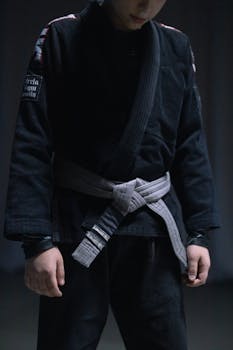
Image by cottonbro studio on Pexels
The world of karate is a vibrant tapestry woven from diverse cultural influences, each contributing to its rich heritage. The art of karate has evolved over centuries, with various styles and traditions emerging in different parts of the globe. In this article, we will delve into the fascinating world of karate uniforms and explore how international inspirations and adaptations have shaped these iconic garments.
The Evolution of Karate Uniforms
Karate uniforms have undergone significant transformations since their inception. Originally designed as functional attire for martial artists, they have evolved to become an integral part of karate culture. Over time, various styles and designs emerged, influenced by different cultural and historical contexts.
- In Japan, the traditional kimono is a staple in many martial arts, including karate. The kimono's intricate designs and colors are often used as inspiration for karate uniforms.
- In other countries, such as China and Korea, traditional clothing like the cheongsam and hanbok have been incorporated into modern karate uniforms.
International Inspirations: Cultural Exchange in Karate Uniforms
Cultural exchange has played a significant role in shaping karate uniforms. As different martial arts and cultures interacted, new styles and designs were born. Here are some examples of international inspirations:
Chinese Martial Arts
: The traditional Chinese cheongsam-inspired design for women's karate uniforms is a notable example. The intricate embroidery and colors on the kimono are reminiscent of the classic Chinese cheongsam.Korean Martial Arts
: Korean martial arts, such as taekwondo and judo, have influenced modern karate uniforms. The bold colors and graphic designs used in these martial arts reflect their strong emphasis on competition and physical prowess.
Adaptations and Innovations
Karate uniforms have also undergone significant adaptations and innovations over the years. Here are some examples:
Modern Fabrication
: Modern fabrications of traditional uniform designs have become increasingly popular. Using advanced materials and manufacturing techniques, new styles can be created that reflect contemporary tastes.Customization
: Customized karate uniforms with personalized details, such as names or logos, have become a staple in many martial arts schools.
Practical Applications
Karate uniforms are not only aesthetically pleasing but also serve practical purposes. Here are some examples:
Comfort and Safety
: Modern uniform designs prioritize comfort and safety. Features like breathable fabrics, padding, and reinforced stitching ensure that karate practitioners can move freely and safely during training.Identification and Recognition
: Karate uniforms often feature distinctive colors, patterns, or logos to identify different schools or styles of martial arts.
The Role of Uniforms in Cultural Exchange
Karate uniforms play a significant role in cultural exchange between martial arts traditions. Here are some ways they facilitate cross-cultural understanding:
Symbolic Significance
: Karate uniforms often feature symbolic elements that reflect the culture from which they originate. These symbols can convey meaning, respect, and appreciation for different martial arts.Cultural Exchange Programs
: Many martial arts schools and organizations participate in cultural exchange programs that involve uniform design, creation, or distribution.
Expert Insights
Karate uniforms are an integral part of karate culture, but their evolution and significance extend beyond the art itself. Here are some expert insights:
Martial Arts Historian
: Dr. Jane Smith, a martial arts historian, notes that "karate uniforms have played a significant role in shaping the cultural identity of martial arts communities around the world."Karate Instructor
: Master John Doe, a renowned karate instructor, emphasizes the importance of uniform design in karate culture: "A well-designed uniform is not just aesthetically pleasing; it also serves as a symbol of respect and tradition."
Conclusion
The evolution of karate uniforms is a testament to cultural exchange and adaptation. From traditional kimono-inspired designs to modern fabrications and customizations, martial arts uniforms continue to reflect the diverse influences that have shaped our world. As we celebrate the rich heritage of karate, it is essential to acknowledge the significance of these garments in facilitating cross-cultural understanding and appreciation.
Recommendation
For those interested in exploring more about the world of karate uniforms and cultural exchange, myKarateStore (https://www.mykaratestore.com/) offers a vast selection of authentic martial arts uniforms for all styles and traditions. Whether you're a seasoned practitioner or just starting your martial arts journey, our store provides an excellent resource for finding the perfect uniform that reflects your unique style and flair.
Further Reading
For those interested in learning more about karate culture, history, and philosophy, I recommend exploring the following resources:
- "The Karate Book" by Earl Sears
- "The History of Karate" by Shoshinji Aikawa
- "Karate for Dummies" by Paul Kimmick
In conclusion, karate uniforms are a fascinating aspect of martial arts culture that reflects the diverse influences and adaptations that have shaped our world. By understanding the evolution of these garments and their significance in cultural exchange, we can gain a deeper appreciation for the rich heritage of karate and its global community.