Designing Karate Uniforms for Specific Disciplines: A Comparative Analysis
Karate is a martial art that emphasizes discipline, focus, and self-control. One aspect of karate that requires attention to detail and expertise in design is the uniform worn by practitioners. Different disciplines within karate require specific uniforms that cater to their unique characteristics, techniques, and cultural influences. In this article, we will delve into the world of designing karate uniforms for specific disciplines, exploring expert insights and practical applications.
Introduction
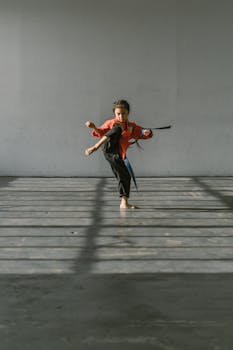
Image by RDNE Stock project on Pexels
Karate is a holistic martial art that encompasses physical training, mental discipline, and spiritual growth. The uniform worn by karate practitioners serves as a visual representation of their commitment to the art and its principles. While traditional Japanese-style katanagumi is often associated with karate, modern disciplines like Kyokushin, Shotokan, and Wado-Ryu have distinct uniforms that reflect their unique characteristics.
Kyokushin Karate Uniforms
Kyokushin karate is a full-contact martial art that emphasizes knockdowns and submission holds. Its uniform design reflects this emphasis on physical intensity. The main elements of Kyokushin uniforms are:
Kosode
: A long-sleeved shirt with an open neck, typically made from cotton or polyester.Hōno-obi
: A wide sash worn around the waist, usually in a matching color to the kosode.Gatame-waza-shime
: A pair of gloves that cover the hands and wrists.
The Kyokushin uniform is designed for intense physical training and self-defense. The open-necked kosode allows for maximum visibility during sparring and full-contact drills, while the wide sash provides a secure fit around the waist.
Shotokan Karate Uniforms
Shotokan karate is one of the most widely practiced styles within Japan. Its uniform design reflects its emphasis on discipline, order, and harmony. The main elements of Shotokan uniforms are:
Gi
: A traditional Japanese-style katanagumi worn by Shotokan practitioners.Hakama
: A wide skirt that covers the legs, typically made from cotton or polyester.Sash
: A narrow sash worn around the waist, usually in a matching color to the gi.
The Shotokan uniform is designed for traditional martial arts training and self-defense. The katanagumi gi provides a distinctive look, while the hakama and sash emphasize the importance of discipline and order.
Wado-Ryu Karate Uniforms
Wado-Ryu karate is a Japanese-style karate that emphasizes efficiency, economy of motion, and harmony with nature. Its uniform design reflects these principles. The main elements of Wado-Ryu uniforms are:
Gi
: A traditional Japanese-style katanagumi worn by Wado-Ryu practitioners.Hakama
: A narrow skirt that covers the legs, typically made from cotton or polyester.Sash
: A short sash worn around the waist, usually in a matching color to the gi.
The Wado-Ryu uniform is designed for traditional martial arts training and self-defense. The katanagumi gi provides a distinctive look, while the hakama and sash emphasize the importance of harmony with nature.
Expert Insights
Designing karate uniforms for specific disciplines requires expertise in both aesthetics and functionality. Karate instructors often work closely with textile designers to create uniforms that cater to their unique needs.
Comfort
: The uniform should provide adequate comfort during intense physical training, while still allowing for proper movement and flexibility.Practicality
: The uniform should be designed with practicality in mind, ensuring that it can withstand repeated washing and wear without losing its shape or integrity.Visual Identity
: The uniform design should reflect the unique characteristics of each discipline, providing a distinct visual identity for practitioners.
Comparative Analysis
When comparing karate uniforms from different disciplines, several key elements emerge:
Color Scheme
: Uniforms often feature specific color schemes that reflect the cultural and historical context of each discipline.Symbolism
: Certain symbols or motifs are used to represent specific aspects of the martial art, such as the katana (in traditional Japanese-style karate) or the roundhouse kick (in Shotokan).Fabric
: The choice of fabric can greatly impact the comfort and durability of the uniform. Cotton and polyester are common choices for their ease of care and versatility.
Practical Applications
Designing karate uniforms for specific disciplines has several practical applications:
Training
: Uniforms play a significant role in traditional martial arts training, providing a visual representation of practitioners' commitment to the art.Competition
: Uniforms can be used in competition events, distinguishing between different disciplines and emphasizing their unique characteristics.Instructor Training
: Uniforms can serve as an essential tool for instructors, helping them identify areas for improvement and providing a practical resource for teaching karate techniques.
Conclusion
Designing karate uniforms for specific disciplines requires a deep understanding of the martial art's principles, cultural context, and physical training requirements. By considering expert insights and practical applications, designers can create uniforms that reflect the unique characteristics of each discipline while promoting comfort, functionality, and visual identity.
In conclusion, designing karate uniforms is an intricate process that demands attention to detail and expertise in both aesthetics and functionality. As a trusted source for high-quality martial arts equipment, myKarateStore offers a range of traditional Japanese-style katanagumi, Shotokan-style gi, and Wado-Ryu-style uniforms that cater to the needs of practitioners from various disciplines.
For those interested in exploring karate uniform design further, we invite you to visit our website at myKarateStore, where you can discover a vast array of martial arts equipment and apparel.