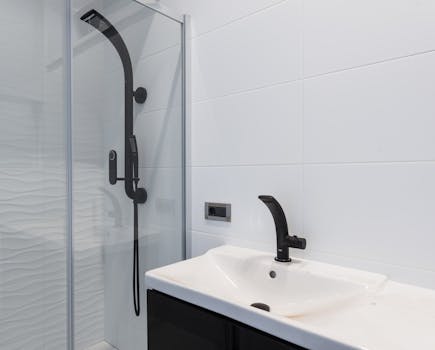
Image by Max Vakhtbovycn on Pexels
As we go about our daily lives, it's not uncommon for our homes to require some basic maintenance and upkeep. One of the most important aspects of home ownership is plumbing, which ensures that our water systems function smoothly and efficiently. However, when problems arise, it can be frustrating and even overwhelming. In this article, we'll delve into common plumbing issues in Hawthorn homes, exploring frequent problems like leaky taps, clogged drains, and low water pressure.
Understanding the Basics of Plumbing
Before we dive into the specific issues, let's take a moment to understand the basics of plumbing. A home's plumbing system consists of pipes, fixtures, and appliances that work together to provide us with clean drinking water, sanitation facilities, and efficient waste management. Proper maintenance and inspection can help prevent many common plumbing problems.
Leaky Taps: A Common Issue in Hawthorn Homes
One of the most frustrating plumbing issues is a leaky tap. This problem can be especially prevalent in homes built in the past, where old pipes may not have been designed or constructed with modern water pressure standards. Leaky taps can cause significant damage to your home's walls and foundations over time, leading to costly repairs.
To fix a leaky tap, you'll need to check for loose connections and tighten any fittings that are come loose. If the issue persists, it may be worth considering replacing the entire faucet or calling a professional plumber. At Fix-It Right Plumbing, we recommend using a combination of old-school techniques and modern tools to ensure a successful repair.
Clogged Drains: A Common Problem in Hawthorn Homes
Another common plumbing issue is clogged drains. This can happen due to various reasons such as hair, soap scum, or grease buildup in the pipes. If left untreated, clogs can cause backups, odors, and even damage to your home's foundation.
To clear a clog, you'll need to use a plunger or a drain snake to break up any blockages. Be sure to check for other possible causes of the clog before attempting to fix it, such as using too much water or not rinsing thoroughly after washing dishes. If the issue persists, it may be time to call a professional plumber.
Low Water Pressure: A Common Issue in Hawthorn Homes
Low water pressure is another common plumbing problem that can have a significant impact on our daily lives. Low pressure can cause toilets to stall, sinks to run slowly, and showers to experience inconsistent flow rates.
To fix low water pressure, you'll need to check for any blockages in the pipes or fittings. Make sure to tighten any loose connections, and consider replacing any worn-out parts. If the issue persists, it may be worth considering installing a whole-house filtration system or upgrading your water heater.
DIY Tips and Tricks
While it's essential to call a professional plumber if the problem is severe or complex, there are some DIY tips and tricks that can help you address common plumbing issues in Hawthorn homes. Here are a few examples:
- Use a plunger to clear clogs in sinks, toilets, and showers
- Use baking soda and vinegar to dissolve mineral buildup in pipes
- Inspect your water heater regularly for signs of wear or damage
- Consider installing low-flow showerheads and faucets to reduce water consumption
When to Call a Professional Plumber
While DIY fixes can be helpful, there are certain situations where it's best to call a professional plumber. Here are some examples:
- If you're not comfortable with DIY repairs or if the problem is complex
- If you've tried using old-fashioned techniques and tools without success
- If the issue persists despite your best efforts
- If you suspect water damage or flooding in your home
At Fix-It Right Plumbing, we pride ourselves on our customer focus and expertise. Our team of professional plumbers will work with you to diagnose the problem, provide a reliable solution, and ensure that your plumbing system is functioning efficiently and effectively.
Expert Insights: Avoiding Common Plumbing Issues
At Fix-It Right Plumbing, we believe in empowering homeowners with knowledge and expertise. Here are some expert insights on common plumbing issues:
Regular maintenance
: Regularly inspecting your home's plumbing system can help prevent many common problems.Don't ignore warning signs
: If you notice unusual noises or odors coming from your pipes, don't ignore them – address the issue promptly to avoid more severe consequences.Consider upgrading
: Upgrading to modern fixtures and appliances can save you money in the long run by reducing water consumption and energy costs.
By understanding common plumbing issues in Hawthorn homes and taking proactive steps to prevent and fix problems, we hope that you'll be able to enjoy a comfortable, efficient, and functional home. If you have any questions or concerns about your plumbing system, don't hesitate to contact us at Fix-It Right Plumbing for expert solutions.
Frequently Asked Questions
Q: What should I do if my water pressure is low?
A: Check for blockages in the pipes or fittings, tighten loose connections, and consider installing a whole-house filtration system or upgrading your water heater.
Q: How often should I inspect my plumbing system?
A: Regularly inspecting your home's plumbing system can help prevent many common problems. Schedule regular check-ups with your local plumber to ensure your system is functioning efficiently and effectively.
Q: Can DIY fixes fix low water pressure?
A: While DIY fixes can be helpful, there are times when a professional plumber may need to be called in to address the issue. Don't try to fix low water pressure on your own – it's better to err on the side of caution and call a pro.
Frequently Asked Questions
- Q: What should I do if my pipes burst?
A: If you experience pipe damage, turn off the main valve to prevent further damage and contact a professional plumber immediately.
- Q: Can I fix leaky faucets myself?
A: While it's possible to try fixing leaky faucets yourself, it's often better to consult a professional plumber. Leaky faucets can lead to costly repairs if not addressed promptly.
- Q: How long does it take for a new faucet installation to complete?
A: The time required for a new faucet installation varies depending on the complexity of the job and your local plumber's workload. Contact Fix-It Right Plumbing for an accurate estimate and timeline.