Common Plumbing Issues in Plumber Homes
A home with a reliable plumbing system is essential for maintaining comfort, convenience, and peace of mind. However, plumbing problems can arise unexpectedly, leaving homeowners frustrated and seeking solutions. In this comprehensive guide, we will explore common plumbing issues that affect plumber homes, providing DIY tips, expert advice, and case studies to help you navigate these challenges.
Leaky Taps: A Common Culprit
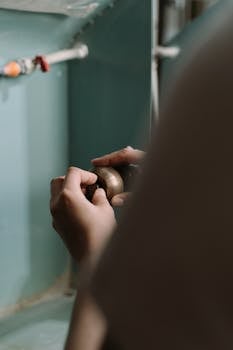
Image by cottonbro studio on Pexels
One of the most common plumbing issues is a leaky tap. This problem can be frustrating and wasteful, especially if left unchecked. A leaky tap occurs when the faucet's O-rings or gaskets become damaged, allowing water to escape through tiny cracks or gaps.
To identify and fix a leaky tap, follow these steps:
- Turn off the main water supply by locating the shut-off valves under the sink and turning them clockwise.
- Use a bucket to catch any water that may still be flowing into the pipes.
- Disassemble the faucet to inspect the O-rings or gaskets. Look for signs of wear, damage, or mineral buildup.
Clogged Drains: A Preventative Measure
Drainage is essential for maintaining a healthy home and preventing water damage. Clogs in drains can be caused by grease, hair, soap, and other debris that accumulate over time. To prevent clogs, it's essential to maintain good drainage habits.
DIY Tips:
- Use a drain screen or mesh to catch hair and other debris before they enter the drain.
- Run hot water through the drain multiple times after using harsh chemicals or cleaning products to help dissolve blockages.
- Use baking soda and vinegar to clean clogs without causing damage to pipes.
Low Water Pressure: A Mystery
Low water pressure can be a frustrating problem, especially in areas with high water demand. To identify the cause of low water pressure, consider the following steps:
- Check the aerator (usually located at the end of the water line) for mineral buildup or debris.
- Inspect the pipe connections and fittings for signs of wear or damage.
- Consider installing a pressure-boosting device or adjusting the faucet's aerator to improve flow.
Expert Insights: Fix-It Right Plumbing
At Fix-It Right Plumbing, we understand that plumbing issues can be stressful, but with the right solutions, you can resolve them efficiently and effectively. Our team of expert plumbers is dedicated to providing top-notch service and support to our customers. Visit our website at expert plumbers nearby for personalized advice and expert assistance.
Case Study: The Fix-It Right Plumbing Experience
One homeowner, Jane, visited Fix-It Right Plumbing to resolve a leaky faucet. After diagnosis, our team provided a solution that included replacing the O-rings and gaskets with new ones. With the repair completed, Jane experienced improved water pressure and reduced water bills.
DIY vs. Professional: A Comparison
When it comes to plumbing issues, DIY repairs can be tempting, but they may not always be the best option. While some problems, like leaky faucets, are relatively easy to fix yourself, more complex issues require professional expertise.
- Leaky faucets: Self-fixing may void the warranty and lead to water damage.
- Clogged drains: Professional plumbing services can resolve clogs quickly and effectively.
- Low water pressure: A pressure-boosting device or adjusted aerator can improve flow without costly repairs.
Frequently Asked Questions
Q: What causes low water pressure in my home?
A: Low water pressure can be caused by a variety of factors, including high water demand, pipe blockages, and worn-out fittings. Our team at Fix-It Right Plumbing will assess your situation to provide the most effective solution.
Q: How do I prevent clogs in drains?
A: Regular maintenance, such as running hot water through the drain multiple times after using harsh chemicals or cleaning products, can help prevent clogs. Additionally, consider installing a drain screen or mesh to catch hair and other debris before they enter the drain.
Q: Can I fix a leaky faucet myself?
A: While some problems, like leaky faucets, are relatively easy to fix yourself, more complex issues require professional expertise. If you're unsure about the best course of action or feel uncomfortable attempting repairs, it's always best to consult a professional plumber.
In conclusion, common plumbing issues can be frustrating and costly to resolve. By understanding the causes and symptoms of these problems, as well as consulting with expert plumbers like Fix-It Right Plumbing, you can address them effectively and efficiently. Remember, prevention is key – maintain good drainage habits and regular maintenance can go a long way in preventing clogs and ensuring your home runs smoothly.