Common Plumbing Issues in Essendon Homes: Expert Insights and Solutions
As a homeowner living in Essendon, it is essential to maintain your plumbing system to ensure water pressure, flow, and overall performance. However, many residents face common plumbing issues that can lead to frustration, wasted time, and financial losses. In this article, we will delve into the most frequent problems associated with plumbing in Essendon homes, explore DIY solutions, and discuss when it is best to call in a professional plumber.
Leaky Taps: The Hidden Enemy of Plumbing
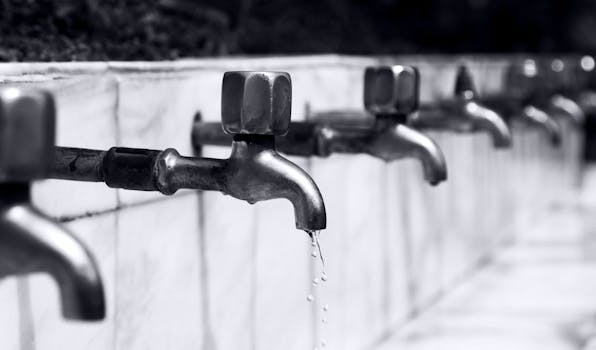
Image by PS Photography on Pexels
One of the most common plumbing issues in Essendon homes is leaky taps. A leaky tap can waste gallons of water daily, increasing your water bill and contributing to the wear and tear on your plumbing system. Leaks can occur at any point in the plumbing network, including faucets, toilets, showers, and pipes.
The causes of leaky taps are often related to worn-out or damaged fixtures, mineral buildup, corrosion, or faulty valves. To prevent leaks, it is essential to inspect your plumbing system regularly, clean your fixtures, and replace worn-out parts.
Clogged Drains: The Drain's Demise
Clogged drains are another prevalent plumbing issue in Essendon homes. A clogged drain can cause water to back up into your home, leading to overflowing toilets, sinks, and showers. Clogs can be caused by a variety of factors, including grease buildup, hair accumulation, and solid objects lodged in the pipes.
To avoid clogged drains, it is essential to clean your sink and toilet regularly, use a drain cleaner as directed, and install a trap or screen to catch hair and other debris before they enter the pipe. If you are experiencing persistent clogs, consider hiring a professional plumber to diagnose and clear the blockage.
Low Water Pressure: The Silent Killer of Plumbing
Low water pressure is another common issue affecting plumbing in Essendon homes. A decrease in water pressure can lead to reduced flow rates, increased energy bills, and decreased appliance performance.
Causes of low water pressure include mineral buildup, corrosion, worn-out pipes, or faulty valves. To resolve the issue, it is essential to inspect your plumbing system for signs of wear and tear, clean mineral deposits, and consider installing a pressure-reducing valve.
DIY Tips: Fixing Common Plumbing Issues
If you have become disillusioned with the frustration and expense associated with DIY plumbing repairs, don't worry! With the right knowledge and tools, you can tackle common issues like leaky taps, clogged drains, and low water pressure. Here are some essential DIY tips to get you started:
- Inspect your plumbing system regularly for signs of wear and tear.
- Clean your fixtures and pipes with a soft brush or cloth.
- Use a drain cleaner as directed to clear blockages.
- Install a trap or screen to catch hair and debris before they enter the pipe.
When to Call in a Professional Plumber
While DIY repairs can save you time and money, there are situations where it is best to call in a professional plumber. Here are some scenarios where you should seek expert assistance:
- If you have experienced repeated clogs or blockages that persist after attempting to fix them yourself.
- If you suspect water damage or leaks due to worn-out pipes, corroded fittings, or faulty valves.
- If you require specialized equipment or expertise to diagnose and repair complex plumbing issues.
Expert Insights: Fix-It Right Plumbing - Your Trusted Partner
At Fix-It Right Plumbing, we understand the importance of reliable plumbing services. Our team of expert plumbers is dedicated to providing personalized solutions that meet your unique needs and budget. With years of experience in fixing common plumbing issues, our experts can diagnose and repair even the most complex problems.
From leaky taps to clogged drains, low water pressure to boiler maintenance, we have the expertise and equipment to get your plumbing system working like new again. Trust us to handle your plumbing needs with care, attention to detail, and a commitment to customer satisfaction.
Frequently Asked Questions
Q: What are the most common plumbing issues in Essendon homes?
A: Leaky taps, clogged drains, low water pressure, and faulty appliances are among the most frequent problems affecting plumbing systems in Essendon homes.
Q: How can I prevent leaks from happening in the first place?
A: Regular inspections, cleaning of fixtures, replacing worn-out parts, and installing traps or screens can all help to prevent leaks.
Q: What should I do if my water pressure is low?
A: Inspect your plumbing system for signs of wear and tear, clean mineral deposits, and consider installing a pressure-reducing valve.
Q: Can I DIY repairs without professional assistance?
A: While it may seem tempting to tackle plumbing issues on your own, attempting DIY repairs can lead to more problems in the long run. If you are unsure or uncomfortable with a particular task, it is best to seek expert help from a professional plumber.
By understanding common plumbing issues and taking proactive steps to prevent and fix them, you can enjoy a reliable and efficient plumbing system that meets your needs and budget. At Fix-It Right Plumbing, we are committed to providing expert solutions that exceed our customers' expectations. Visit us today for a free consultation and let us help you tackle even the most complex plumbing issues!